Resources
Insight · Jun 2025 · 6 min
Designing Human Checkpoints.
A checkpoint is not a delay. It is the point at which the system stops guessing and asks a person a specific question. The quality of that question is the quality of the checkpoint.
A checkpoint is not a delay. It is the point at which the system stops guessing and asks a person a specific question. The quality of that question is the quality of the checkpoint.
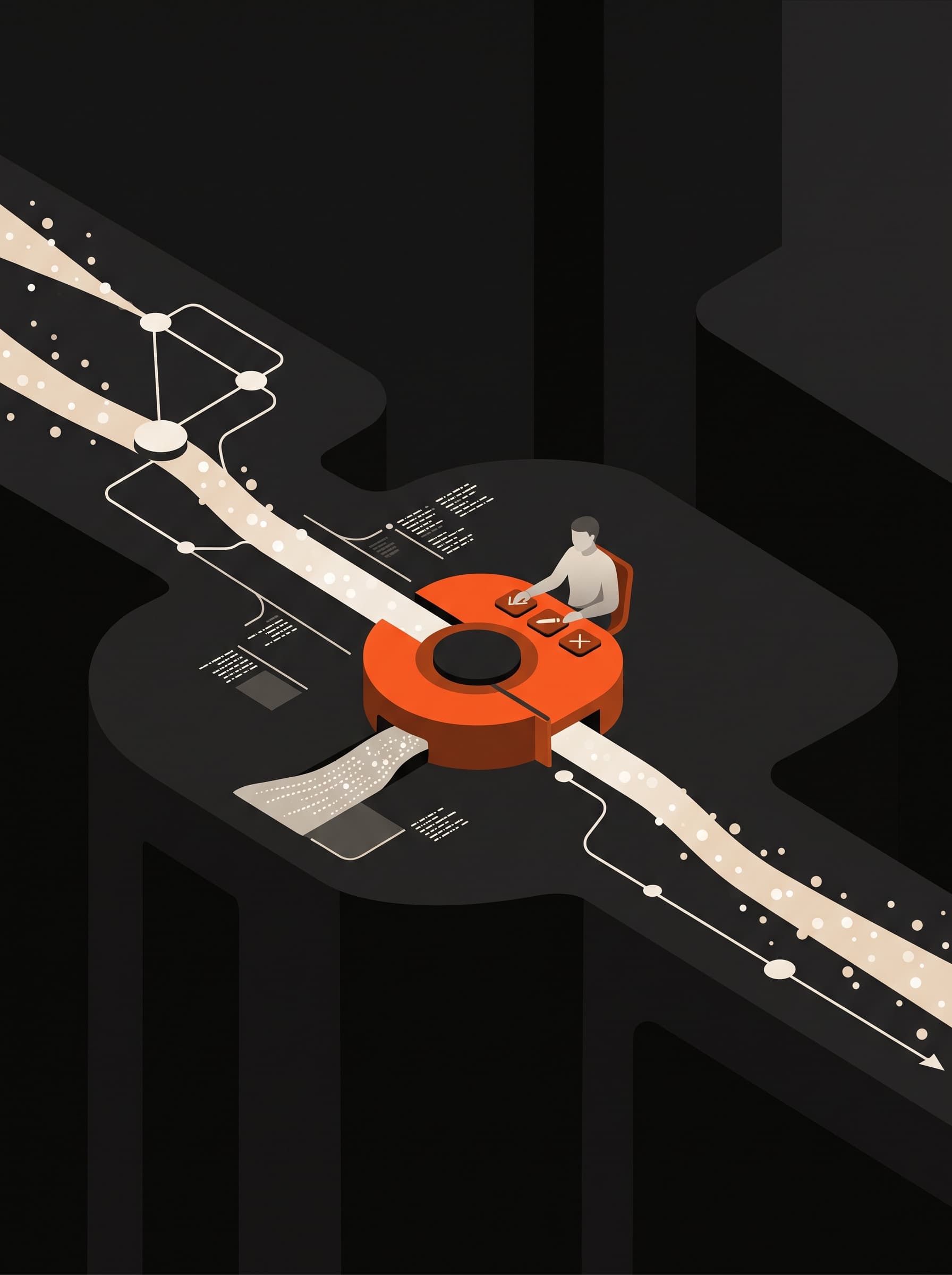
The temptation with any AI system is to remove humans from the loop. AlterX takes the opposite view: we design the system so that humans re-enter the loop at the moments where their judgment is actually valuable.
A good checkpoint carries three things: the action being proposed, the reason it is proposed, and the scope of what will change if approved. Anything less turns a checkpoint into a formality.
The cost of a bad checkpoint is high. It normalises quick approvals, teaches operators that judgment is not required, and undermines trust in the wider system. The cost of a good checkpoint is a small pause and a much stronger record.